Seller guide
Etsy's new AI photo rules (October 2026): what sellers can and can't do
Updated October 27, 2026 · 6 min read · Based on Etsy's Seller Handbook announcement and the updated Listing Image Requirements
On October 22, 2026, Etsy published "Important updates to AI use on Etsy" and rewrote its Listing Image Requirements. The short version: AI-edited product photos are still allowed, but every listing now needs at least one photo that is not edited at all. This guide walks through what the rules say, what you can still do with your other photos, the exceptions, and a simple workflow that keeps your shop on the right side of the policy.
In short
- Most listings must include at least one unedited photo of the actual item against a real background.
- Your other photos can be edited, including with AI (lighting, color, crop, resize, background), as long as the item still looks like what the buyer will receive.
- Etsy recommends making photo #1 the most realistic one and noting in the description which photos were edited with AI.
- If a buyer opens a case because the item is materially different and your listing broke the image rules, you may have to refund them.
What changed on October 22, 2026
Etsy's announcement lists five policy changes. Quoting the handbook:
- "Your listing must include at least one unedited photo of the actual item against a real background, meaning the photo hasn't been edited or changed in any way. Some exceptions may apply depending on the types of items you sell."
- "All of your photos must accurately represent the item a buyer will receive, without hiding flaws or damage or making the item appear different. Outside of your required unedited photo, you can still use photo-editing tools, including AI, to adjust lighting or color, crop or resize images, or change backgrounds."
- Functional guides such as patterns, recipes and instructions must be the seller's own work. "AI-generated functional guides are no longer allowed on Etsy," and those listings must show "an actual result made using your instructions."
- "If your listing doesn't meet our updated image requirements, and a buyer opens a case because the item they received is materially different from your listing, you may be responsible for refunding the buyer."
- "Bot-generated listings without any human involvement aren't allowed." Those listings are removed, and the shop may be removed too.
The policy page was updated the same day, and Etsy's FAQ says existing listings that don't meet the new requirements need to be updated. No grace period was announced.
What "unedited" actually means
Etsy's definition is strict: the required photo "must not be edited or changed in any way." The policy page lists cropping, resizing and straightening among the edits you may make to your other photos, which means they count as edits on the required one. The safe reading is:
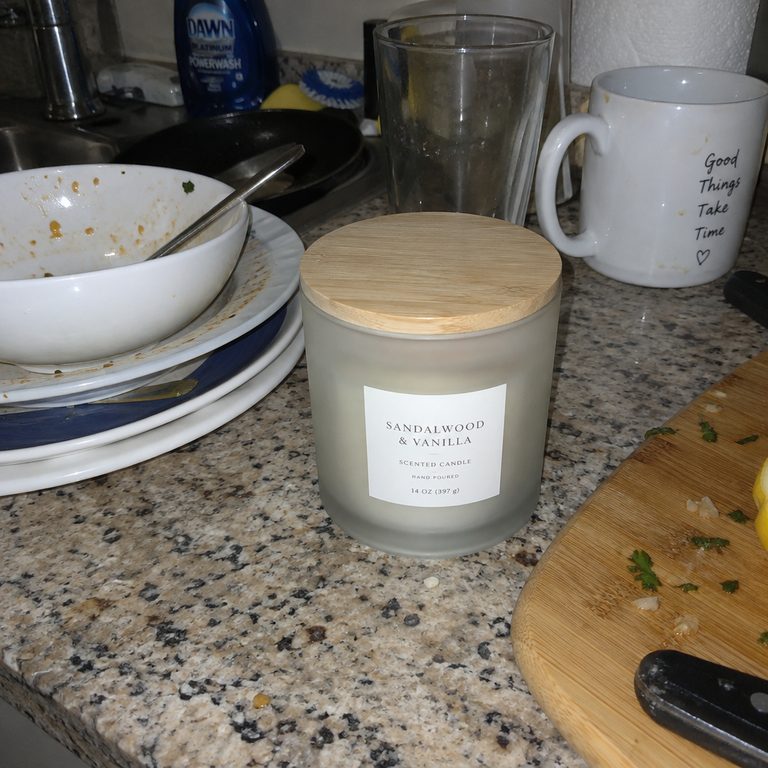
- Upload the original file from your phone or camera. No crop, no filter, no brightness fix, no background removal.
- Shoot it on a real surface in a real place: your desk, a table, the kitchen counter. A plain wall or a sheet of paper is still a real background; a generated or composited one is not.
- Use the plain camera mode. Etsy hasn't said how it treats automatic in-camera processing, so skip portrait, beauty and heavy HDR modes to be safe.
Keep that original file. It is also the best starting point for every edited version you make later.
What you can still do with your other photos
This is the part many headlines missed. Etsy did not ban AI in listing photos. Once the unedited photo is in place, the policy explicitly allows photo-editing software and AI tools on the remaining images, "provided the final result remains an accurate representation of the physical product." Etsy's own table:
| Allowed edits | Prohibited edits |
|---|---|
| Adjusting lighting, exposure or color balance to match real life. | Changing the product's actual color, texture or condition. |
| Cropping, resizing or straightening the image. | Digitally removing or hiding defects, cracks or damage. |
| Cleaning up or replacing the background, as long as the product itself is accurately represented. | Using AI to change the core design or features of a physical item. |
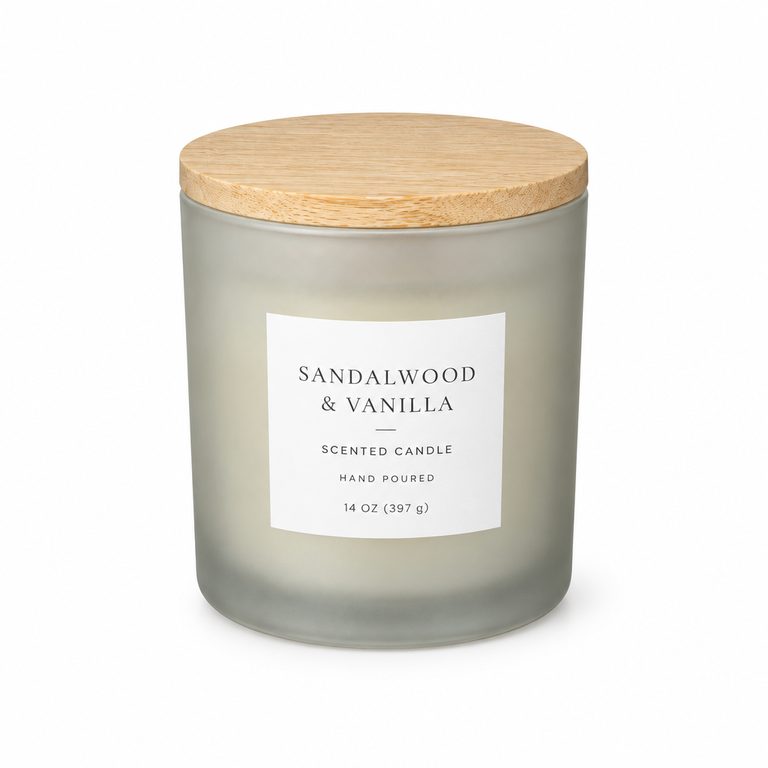
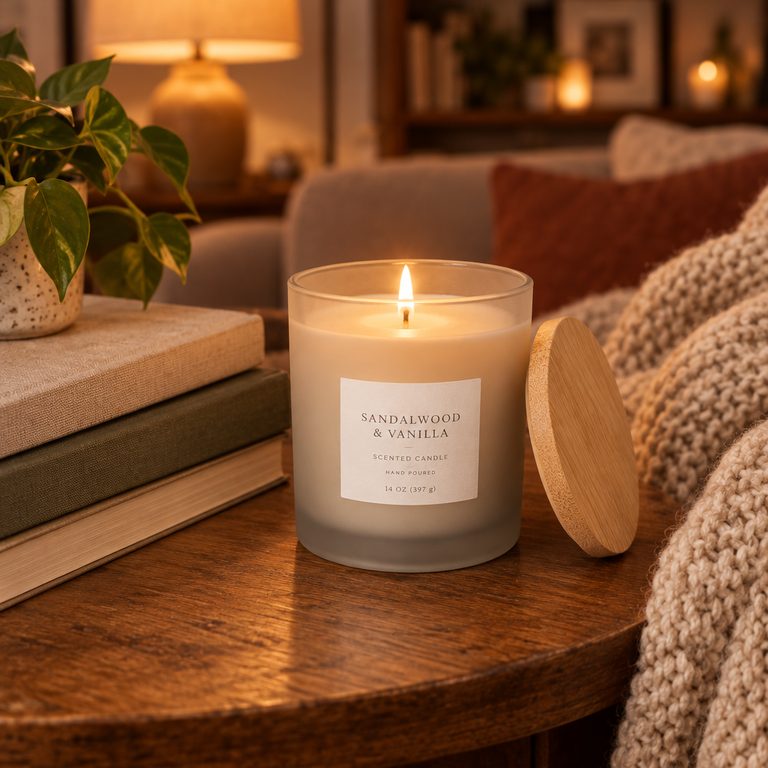
In practice, the line is simple: change the world around the product, never the product. A white-background version or a lifestyle scene made from your real photo is fine. A generated image that shows a slightly different mug, a smoother finish or a cleaner label is not, even if it looks better.
Exceptions by product type
The policy sets different requirements for a few categories:
- Print-on-demand. If a production partner prints your original design on a standard base product (a t-shirt, a mug), you may use a stock photo mockup, if the stock photo's owner has authorized its use.
- Digital downloads. Include a visual preview or excerpt of what buyers get. Items with no visual element, such as audio files, may use representative imagery, including AI-generated images, as long as it doesn't mislead buyers.
- Customized and made-to-order items you make yourself. Use photos of real, finished items you've made in the past so buyers can see the quality of your work.
- Patterns, recipes, seeds and kits. Include at least one real, unedited photo of something made with your product. AI images cannot be the only images showing the finished result, and AI-generated patterns, recipes or instructions are no longer allowed at all.
What happens if you don't comply
- Refunds. If a buyer opens a case because the item is materially different from the photos, Etsy may refund the buyer and hold you responsible for the amount.
- Listing and shop actions. Misleading listings can be removed. Repeated violations can escalate up to shop removal. Removed listings can be appealed from the Policy violations page in Shop Manager.
- Detection. Etsy is adding guidance to the listing form: if it detects AI-generated images when you upload, it shows tips for now and plans to enforce more proactively over time. The checks will later extend to existing listing images.
- Reporting. A new "misleading AI imagery" reason is being added to the "Report this item" flag. Etsy says these reports won't trigger immediate enforcement at first.
A workflow that keeps you compliant
- Take one honest photo. Product on a real surface, in daylight, in focus, filling most of the frame. Save the original and never touch it.
- Make it photo #1. The rule only says "at least one," but Etsy's best practice is to make the first photo "the clearest, most realistic representation of the item buyers will receive." Doing both at once is the simplest way to stay safe.
- Build your polished photos from that same shot. Change the background, the lighting and the setting. Don't ask any tool to remove scratches, change the color or "improve" the design. ImageWhim's product styles instruct the model to keep the product's shape, color and details, but the responsibility for the result is still yours.
- Compare side by side before you publish. Check color, texture, proportions and any label text against the original. If anything drifted, regenerate it or leave it out.
- Say what you did. Add one line to the description, for example: "Photo 1 is an unedited photo of the actual item. Photos 2–4 were edited with AI to change the background. The item itself is unchanged."
Other parts of the update
- AI art is still allowed when the seller "plays a clear creative role" and discloses it. AI-generated work can't be presented as handmade or entirely the seller's own creation.
- More transparency is coming. Etsy says it will explore ways to show buyers when AI has been used in content they see.
- California SB 1050 takes effect January 1, 2027 and may require a disclosure when listing images or videos prominently feature an AI-generated synthetic performer, meaning a realistic human-like figure. Product photos without people are not affected. Etsy suggests consulting a lawyer if this might apply to you.
Frequently asked questions
Do I need to update my existing listings?
Yes. Etsy's FAQ says listings that don't meet the new Listing Image Requirements need to be updated, and refund liability applies to them as well. Start with listings whose first photo is AI-generated or heavily edited.
Does cropping count as editing?
Treat it as editing. The policy lists cropping, resizing and straightening as edits you may make to your other photos, and the required photo must not be "edited or changed in any way." Upload the original file as it came off the camera.
Does the unedited photo have to be first?
The rule only requires at least one. But Etsy's best practice is to make the first photo the most realistic one, and its upload-time checks will flag AI-generated images. Putting the unedited photo first avoids both problems.
Can I use a fully AI-generated image of my product?
Not as the required photo, and not as a stand-in for showing the real item. Etsy's prohibited example is "an AI-generated approximation of the item that does not accurately reflect the color, texture, quality, or other characteristics of the product." Editing a real photo of your product is the compliant route.
Do I have to disclose AI edits?
Etsy lists it as a best practice rather than a rule: "If you use AI to edit any of your listing photos, note whether images were edited in your listing description." It costs one sentence and protects you if a buyer asks.
Do these rules apply to Amazon or Shopify?
No, this is Etsy's policy. Amazon has its own main-image rules (pure white background, product filling most of the frame, no props or text). Your own Shopify store has no marketplace rule, but consumer-protection laws on misleading images still apply everywhere.
Free tools: check your photo sizes against Etsy, Amazon, Shopify and eBay with the product photo size checker, and test an Amazon main image for a pure white background with the Amazon main image checker.
Sources
- Etsy Seller Handbook, Important updates to AI use on Etsy (October 22, 2026)
- Etsy House Rules, Listing Image Requirements (last updated October 22, 2026)
- Etsy Seller Handbook, What is Etsy's stance on AI creations?
This guide summarizes Etsy's public policy as of October 22, 2026 and is not legal advice. Etsy can change its rules at any time, so check the official policy before relying on it. ImageWhim is an independent product and is not affiliated with Etsy.